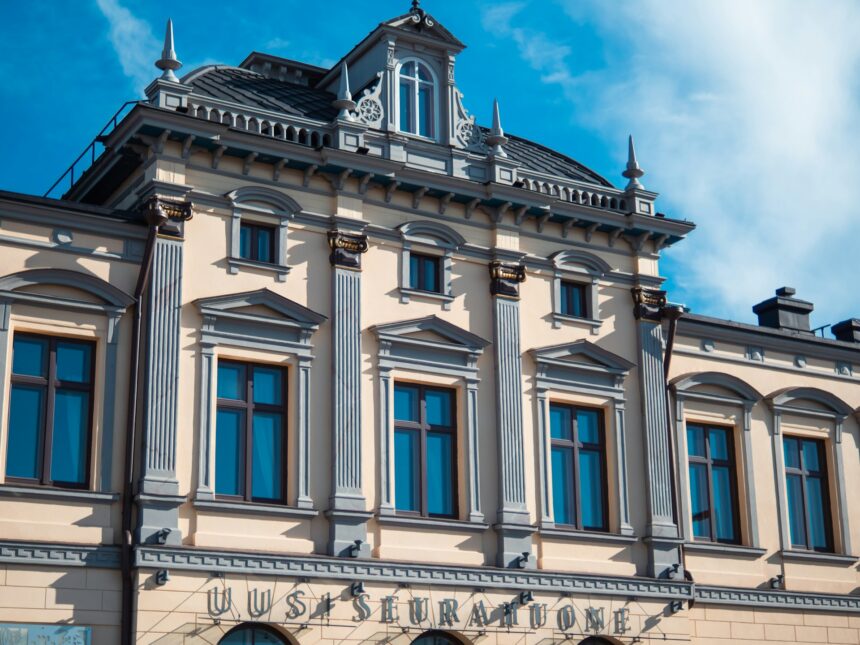
Victorian holiday homes are renowned for their elaborate and opulent interior design, which reflects the broader aesthetic sensibilities of the Victorian era—an era characterized by deep colors, layered textures, and an abundance of decorative details. These homes, designed not just for function but also for form, offer a fascinating glimpse into the tastes and domestic lives of the Victorians. Let’s explore the key elements that define the interior design of Victorian holiday homes.
Lavish Use of Color
The interiors of Victorian homes were anything but subtle. Rich, deep colors such as burgundy, forest green, and navy blue were commonly used on walls, carpets, and upholstery. These colors were a mark of the homeowner’s taste and wealth, as vibrant and darker colors were often more expensive and faded less quickly. Wallpaper, frequently used in every room, featured elaborate patterns, including floral designs, damasks, and intricate geometries, adding to the visual richness.
Ornate Woodwork and Plasterwork
Woodwork was an essential element in Victorian homes, often used as a way to showcase craftsmanship and opulence. Staircases, door frames, and mantelpieces featured detailed carvings and were sometimes gilded to enhance their grandeur. Plasterwork was equally intricate, with ceilings and cornices featuring motifs of fruits, vines, or cherubs, adding to the homes’ ornamental quality.
Heavy, Layered Drapery
Windows in Victorian homes were rarely left bare. Heavy drapes, often made of luxurious materials like velvet or silk, hung from floor to ceiling, sometimes complemented by lace or sheer curtains to provide privacy while allowing light to enter. These window treatments not only served as insulation but were also crucial in the overall aesthetic, often matching or complementing the room’s color scheme.
Eclectic and Exotic Influences
The Victorian era was a time of great exploration and empire, which influenced home decor. Homes might include influences from Asia, the Middle East, and Africa, seen in imported wallpapers, rugs, and decorative objects like vases, statuettes, and even furniture. This eclectic style reflected the Victorians’ fascination with the exotic and the foreign, incorporating these elements into their distinctly European aesthetic.
Furniture: Functional and Ornamental
Furniture in Victorian homes was designed to impress. Pieces were often large and made from dark woods like mahogany or walnut, with upholstery in velvet or leather, embellished with buttons or fringes. Furniture served both functional and decorative purposes, with everything from the armchairs to the bookcases intended to add to the room’s overall decor. Popular furniture styles included Gothic Revival, which emphasized pointed arches and foiled patterns, and Rococo Revival, which featured ornate carvings and curved forms.
Decorative Accessories
No Victorian home was complete without an array of decorative accessories. These could include ornamental clocks, painted porcelain, silver photo frames, and collections of books in carved wooden bookcases. Even functional items like lamps and serving dishes were chosen for their aesthetic appeal and ability to contribute to the room’s decor.
Emphasis on Comfort and Leisure
Despite their formal appearance, Victorian interiors were designed for comfort and leisure. With the rise of the middle class, homes became places for family gatherings and relaxation. This was reflected in the design of drawing rooms and parlors, which were often filled with plush seating, tables for games or reading, and pianos for music.
Exploring the interior design of Victorian holiday homes provides not just a visual treat but also a deeper insight into the social and cultural fabric of the Victorian era. These homes, with their detailed and layered interiors, showcase the era’s complex relationship with aesthetics, comfort, and social status, leaving a lasting legacy on design that continues to fascinate and inspire.