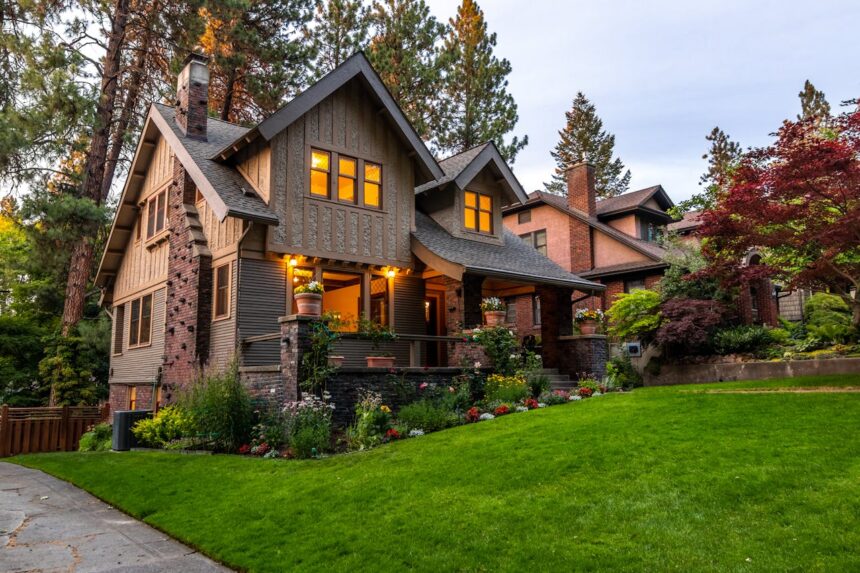
Victorian homes, with their distinctive charm and intricate designs, are architectural treasures that tell stories of a bygone era. These homes, built primarily during the reign of Queen Victoria (1837-1901), reflect the complex socio-economic changes of the time and the rich artistic sensibilities that characterized the period. As we explore the architectural features of Victorian homes, we uncover the secrets that make them so captivating.
Intricate Facades
The facades of Victorian homes are instantly recognizable for their complexity and ornateness. Builders of the time reveled in adding decorative trim, known as “gingerbread work,” to eaves, gables, and porches. These embellishments were made possible by the advent of steam-powered scroll saws and lathes, which allowed for the mass production of intricate woodwork. The facades often featured a blend of textures and materials, including patterned brickwork, cut stone, and terracotta tiles, showcasing the Victorian penchant for eclecticism and display.
Asymmetrical Elegance
Unlike the symmetrical homes of previous architectural styles, Victorian homes embraced asymmetry. This is most evident in their irregular roof lines and the layout of windows and doors, which often appear to be placed more for aesthetic impact than uniformity. This asymmetry lent a dynamic, almost whimsical quality to Victorian architecture, making each home unique and visually engaging.
Turrets and Towers
Many Victorian homes feature turrets or towers, which were not only visually striking but also served practical purposes. These structures provided homeowners with panoramic views of their estates and allowed natural light to flood into the interiors. Inside, these towers often housed spiral staircases or small, secluded rooms that served as private retreats within the home.
Stained Glass Windows
Stained glass was a popular feature in Victorian homes, reflecting the era’s interest in art and craftsmanship. These windows added color and narrative to the home’s design, often depicting floral patterns, scenes from nature, or heraldic motifs. Not merely decorative, the stained glass played with light and color to create dynamic effects in the interiors.
Elaborate Entryways
The entryway of a Victorian home made a statement. Doors were often heavy and adorned with ornate hardware, surrounded by stained glass panels and framed by carved wood or stone. The entryway set the decorative tone for the rest of the home, impressing guests and passersby with its grandeur and attention to detail.
Decorative Fireplaces
Fireplaces were central to Victorian home design, serving as the literal and figurative heart of the home. These were often elaborately adorned with tiles, sculpted mantels, and overmantels that incorporated mirrors and paintings. Each fireplace was unique, reflecting the tastes and wealth of the homeowners, and they were often used as a showcase for art and craftsmanship.
Color and Texture
Victorians were not afraid to use bold colors and textures in their homes. Deep reds, greens, blues, and purples were commonly used to paint exterior woodwork, drawing attention to the architectural details. Inside, wallpaper and textiles featured lush patterns and textures, creating richly layered interiors that spoke of opulence and comfort.
Exploring Victorian homes is like peeling back the layers of history to reveal the cultural and artistic currents of an era. Each architectural feature we uncover not only enhances our appreciation of these magnificent structures but also deepens our understanding of the Victorian world and its enduring legacy in our cities and neighborhoods. As we continue to preserve and study these homes, they remain a vital link to our past, filled with secrets waiting to be rediscovered.