Victorian holiday homes are a feast for the eyes, rich with intricate details and a charm that whisks you back to another era. As we delve into the architectural features that define these splendid dwellings, we uncover a world where design was not just functional but profoundly expressive.
Gables and Gingerbread Trimmings
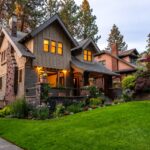
At the heart of Victorian architecture are the gables—steeply pitched roofs that not only offered practical benefits like shedding rain and snow but also served as a canvas for decoration. These gables often featured elaborate wooden trimmings, sometimes referred to as “gingerbread” details. These intricate designs added texture and depth, turning a simple roofline into a work of art.
Turrets and Towers
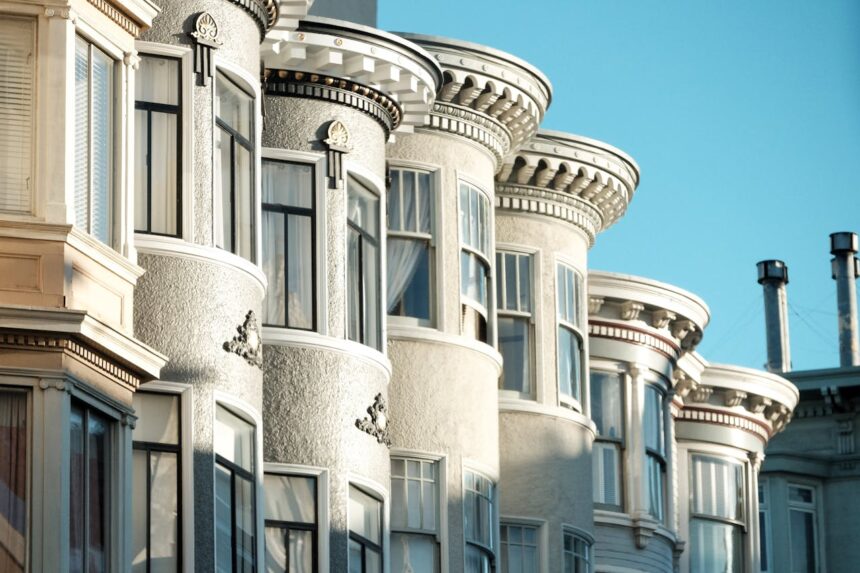
No Victorian home seems complete without the whimsical presence of turrets or towers. These rounded projections not only added visual interest but were often the homeowner’s favorite retreat, providing panoramic views of the surrounding landscape. In holiday homes, these features emphasized the sense of escape and fantasy, a staple for a retreat from the hustle and bustle of city life.
Wrap-around Porches
A defining feature of many Victorian holiday homes is the wrap-around porch. Serving both social and functional purposes, these porches were not just a place to enjoy the cool evening breeze but also a social stage, where guests could gather and enjoy leisurely conversations. Adorned with intricate latticework and often flanked by vibrant gardens, these porches encapsulated the essence of Victorian leisure.
Stained Glass and Leaded Windows
Windows in Victorian homes were more than just openings; they were statements. Stained glass panels and leaded glass designs turned simple windows into colorful displays of light and art. Each pane often told a story or captured a motif important to the homeowner, adding a personal touch that was both beautiful and meaningful.
Ornamental Woodwork
Victorian craftsmen took woodwork to new heights, and holiday homes of this era showcase this skill spectacularly. From hand-carved stair railings to paneled walls and ornate fireplace surrounds, wood was not just a building material but a medium for artistic expression.
Eclectic Material Use
Victorians were not afraid to mix materials, and this eclectic approach is evident in their holiday homes. A combination of brick, stone, and wood might be used in a single structure, each material chosen for its aesthetic appeal as well as its functional qualities. This mix not only enhanced the visual appeal but also highlighted the Victorian era’s love for variety and complexity in design.
Colorful Facades
Victorian homes burst with color, a stark contrast to the more subdued palettes of earlier architectural styles. These vibrant hues—deep blues, bright greens, and rich reds—were a mark of the homeowner’s taste and status. The color of a home could convey wealth and sophistication or a cheerful welcome to guests and passersby.
Each of these architectural features tells a part of the story of Victorian holiday homes. They speak to a time when beauty and detail reigned supreme, where each element, no matter how small, was considered and crafted with care. These homes stand not only as places of residence but as monuments to the artistic and architectural endeavors of the Victorian age. As we tour these magnificent homes, we walk through living museums, each room and detail preserving the legacy of a bygone era.