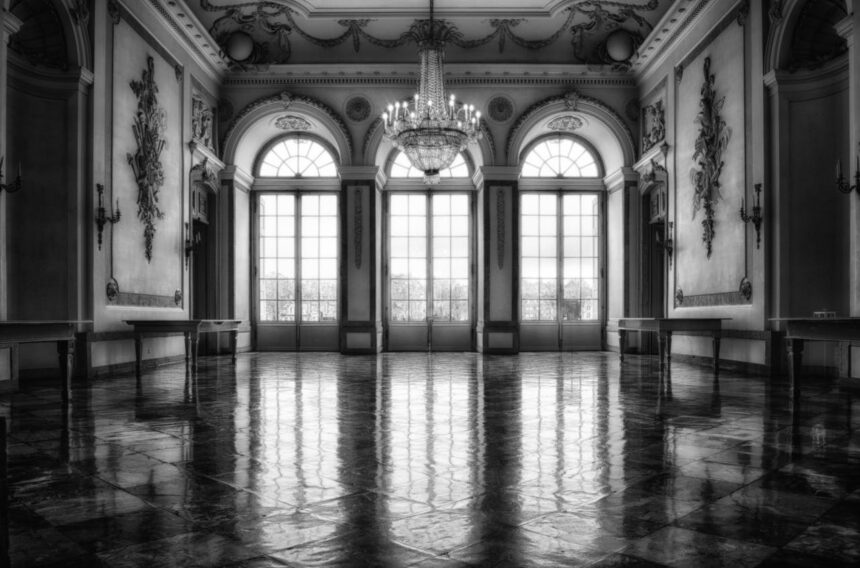
Victorian holiday homes are not just architectural masterpieces; they are living museums that encapsulate the essence of an era marked by profound cultural and social changes. These homes, often constructed during the height of the Victorian period from 1837 to 1901, offer a unique lens through which we can view the past, understanding both the grandeur and the complexities of 19th-century life.
A Reflection of the Victorian Era
The Victorian era was a time of immense progress and innovation. It was marked by the Industrial Revolution, which brought about significant advancements in technology and manufacturing. This era also saw changes in social structures and the rise of the middle class. Victorian holiday homes, often built as retreats for the affluent and the burgeoning middle class, reflect these shifts. They were not only places of leisure but also symbols of status and success.
Architectural Innovation and Eclecticism
The historical significance of these homes is also evident in their architecture, which often mixed various styles including Gothic Revival, Italianate, and Queen Anne. This eclecticism was made possible by technological advances in the construction industry, such as the development of the balloon frame and the ability to mass-produce decorative elements. The variety in styles showcased the Victorian appetite for the novel and the exotic, and their desire to display personal wealth and sophistication through their homes.
Social Hubs and Cultural Centers
Victorian holiday homes often served as social hubs, where the elite could gather and entertain. These homes were sites of lavish parties and summer balls, reflecting the social customs and practices of the time. They were also cultural centers, often housing collections of art, literature, and music, and thus played a key role in the cultural education and refinement that was highly valued during the Victorian era.
Technological Advancements Inside the Home
The historical significance of these homes is also highlighted by the integration of early modern conveniences. Many Victorian holiday homes were among the first to adopt new technologies such as gas lighting, indoor plumbing, and later, electricity. These features not only provided comfort but also indicated the homeowner’s modern outlook and financial capability, reflecting the era’s fascination with progress and innovation.
Preservation and Heritage
Today, Victorian holiday homes are crucial in the study and preservation of history. They offer insights into Victorian life, from daily routines to special occasions. Preserving these homes has become a passion for many historians and architecture enthusiasts, as they represent a tangible connection to the past. Through restoration and public tours, these homes continue to educate and inspire, providing a window into the lives and times of their original occupants.
Impact on Modern Living
The legacy of Victorian holiday homes extends beyond their historical context into influencing modern architectural and interior design. The revival of interest in Victorian aesthetics, such as intricate woodwork and elaborate patterns, reflects a broader trend in contemporary design that appreciates detail, craftsmanship, and the story behind architectural choices.
In essence, Victorian holiday homes are more than just beautiful structures; they are markers of historical progression, reflecting the technological advancements, social changes, and cultural tastes of the Victorian era. As we walk through these homes, we walk through history, each room and artifact providing clues to understanding the complex tapestry of the past.