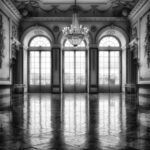
Victorian homes, built during the reign of Queen Victoria from 1837 to 1901, are renowned for their intricate details, ornate designs, and an eclectic mix of stylistic influences. These homes reflect the prosperity and creativity of the era, showcasing elaborate exteriors and richly decorated interiors. This article delves into the defining features of Victorian home interiors, exploring their aesthetic elements and the role of bookcases in Victorian decor.
The Essence of Victorian Interior Aesthetics
Victorian interiors are characterized by their opulence, complexity, and a penchant for detail. The aesthetic was heavily influenced by the Industrial Revolution, which made intricate designs and luxurious materials more accessible. As a result, Victorian homes are a tapestry of textures, colors, and patterns, each contributing to the overall grandeur and coziness.
Color Schemes and Patterns
Victorian homes often feature rich, deep color palettes. Darker hues such as burgundy, forest green, navy blue, and gold were commonly used, creating a warm and inviting atmosphere. These colors were typically complemented by intricate patterns, including damask, floral, and paisley designs, which adorned walls, upholstery, and curtains. Wallpapers were particularly popular, often featuring bold patterns and sometimes even textured finishes.
Furniture and Upholstery
Victorian furniture is known for its robust construction and ornate detailing. Pieces were typically made from heavy, dark woods like mahogany, walnut, and oak. Upholstered furniture was common, with overstuffed chairs and sofas providing comfort and elegance. Fabrics such as velvet, brocade, and silk were preferred, often featuring intricate patterns and rich colors. The use of tufting, fringe, and tassels added to the luxurious feel.
Flooring and Carpeting
Wooden floors were a staple in Victorian homes, often covered with large, patterned rugs or carpets. Carpets were usually intricate and colorful, complementing the overall aesthetic. Persian and Oriental rugs were particularly prized, adding a layer of exotic elegance to the interior decor.
Walls and Ceilings
Walls in Victorian homes were rarely left plain. They were often covered in patterned wallpaper, wood paneling, or painted in rich colors. Stenciling and decorative molding were also common. Ceilings were adorned with intricate plasterwork, including medallions, cornices, and friezes, adding depth and interest to the rooms. In more opulent homes, ceilings might feature frescoes or elaborate designs painted directly onto the plaster.
Lighting and Accessories
Lighting in Victorian homes was both functional and decorative. Chandeliers, often made of brass or crystal, were a focal point in many rooms. Gas lighting was common, although electric lighting became more prevalent towards the end of the Victorian era. Table lamps with elaborate bases and stained-glass shades added to the ambient lighting.
Accessories played a significant role in Victorian decor. Homes were filled with an array of decorative items, including vases, sculptures, mirrors, and framed artworks. Decorative screens and ornate clocks were also popular. The Victorians had a penchant for collecting, and their homes often showcased a variety of items, reflecting their travels and interests.
The Role of Bookcases in Victorian Homes
Bookcases were an essential feature in Victorian homes, reflecting the era’s emphasis on education, literature, and intellectual pursuits. They were more than just functional storage; they were also a key element of the interior decor, showcasing the homeowner’s taste and social status. As David, a Bookcases Sydney maker states “The essence of Victorian homes lies in their ability to transform everyday spaces into sanctuaries of elegance and charm, where every detail tells a story of timeless beauty and craftsmanship.”
Victorian bookcases were typically made from rich, dark woods like mahogany, walnut, or oak, often featuring glass doors to protect the books from dust while displaying them attractively. The design of the bookcases was elaborate, with carved details, decorative moldings, and sometimes even built-in lighting.
Books themselves were considered important decorative elements. Leather-bound volumes with gold tooling were common, adding to the visual appeal. In many homes, the library or study was a central room, reflecting the Victorian love of knowledge and the arts. Bookcases were often built into the walls, creating a seamless integration with the room’s overall design.
Window Treatments
Windows in Victorian homes were typically dressed with heavy drapes, often in rich fabrics such as velvet or brocade. These drapes were usually layered, with lace curtains underneath to diffuse light and provide privacy. The use of valances, cornices, and tiebacks added to the decorative effect, creating a sense of grandeur and opulence.
Kitchens and Bathrooms
While the public rooms of a Victorian home were designed to impress, the kitchens and bathrooms were functional spaces that evolved significantly during the era. Kitchens often featured large, freestanding pieces of furniture, such as dressers and tables. Cast iron stoves became popular, replacing open hearths. Bathrooms saw the introduction of indoor plumbing, with clawfoot tubs, pedestal sinks, and decorative tile work becoming common features.
Fireplaces
Fireplaces were a focal point in Victorian homes, found in nearly every room. They were often made of marble or wood, with intricate carvings and decorative tiles surrounding the hearth. Mantels were elaborately adorned with clocks, candlesticks, and other decorative items, making the fireplace a central feature of the room.
Dining Rooms and Parlors
In Victorian homes, dining rooms and parlors were the epitome of elegance and refinement, reflecting the era’s focus on social gatherings and family meals. These rooms were designed to impress guests and showcase the homeowner’s taste and social standing.
The dining room was typically furnished with a large, ornate dining table made from dark woods such as mahogany or walnut. These tables often featured intricate carvings and inlaid designs. Matching chairs, upholstered in rich fabrics like velvet or brocade, surrounded the table, ensuring comfort and style. Sideboards and china cabinets were common, displaying fine china, silverware, and crystal, often acquired through travel or inheritance.
Walls in the dining room were frequently adorned with rich wallpapers or wood paneling, sometimes featuring stenciled borders or friezes. Chandeliers made of brass or crystal provided a focal point and ample lighting, while sconces and candelabras added ambient light. Decorative elements such as framed artworks, mirrors, and tapestries enhanced the room’s opulence. Table settings were elaborate, with fine linens, porcelain, and centerpieces that often included fresh flowers or fruit displays.
The parlor, or sitting room, was another central feature in Victorian homes, serving as a space for entertaining guests, reading, and family gatherings. This room was typically filled with an array of furniture, including settees, armchairs, and occasional tables, all richly upholstered and often adorned with tassels, fringe, and carved wood details.
A parlor’s color scheme was usually cohesive, with walls, draperies, and upholstery coordinated in rich, deep colors and intricate patterns. Velvet and silk were popular choices for fabrics, contributing to the luxurious feel of the room. The walls might be covered in patterned wallpaper or painted in rich hues, complemented by dado rails and wainscoting.
Fireplaces were often the centerpiece of the parlor, with elaborate mantels decorated with clocks, candlesticks, and vases. Above the mantel, large mirrors or portraits were commonly hung. Parlor accessories included decorative items like porcelain figurines, brass ornaments, and family photographs in ornate frames. The overall effect was one of warmth, comfort, and opulence, creating an inviting space for social interaction.
Bedrooms and Boudoirs
Victorian bedrooms were private sanctuaries, designed with the same attention to detail and comfort as the public rooms of the house. These rooms featured large, ornate beds with carved headboards and footboards, often made from dark woods like mahogany or walnut. The beds were typically dressed with plush mattresses, fine linens, and an array of pillows and bolsters.
Canopy beds were particularly popular, with heavy draperies that could be drawn for privacy and warmth. These draperies were often made from luxurious fabrics such as velvet, brocade, or silk, and coordinated with the room’s other textiles, including curtains, bedspreads, and upholstery.
Wardrobes, dressers, and vanity tables were common pieces of furniture in Victorian bedrooms, providing ample storage and surface space for personal items. These pieces often featured intricate carvings, inlaid designs, and ornate hardware.
Flooring in bedrooms was typically covered with large, patterned rugs that added warmth and comfort. Persian and Oriental rugs were especially prized, adding an exotic touch to the decor. Walls were adorned with wallpaper or painted in soothing, rich colors, often with decorative moldings or stenciled borders.
Lighting in the bedroom was soft and ambient, provided by oil lamps, gas lights, or, later in the Victorian era, electric lamps. Chandeliers and sconces added to the overall elegance, while mirrors and framed artworks contributed to the room’s decorative appeal.
Bathrooms: The Rise of Luxury
The Victorian era saw significant advancements in plumbing and sanitation, which led to the development of more sophisticated and luxurious bathrooms. Indoor plumbing became increasingly common, allowing for the inclusion of features such as flush toilets, pedestal sinks, and clawfoot tubs.
Victorian bathrooms were designed to be both functional and elegant. Clawfoot tubs, often made from cast iron and finished with porcelain enamel, became a central feature. These tubs were not only practical but also added a touch of luxury with their freestanding design and decorative feet.
Pedestal sinks with ornate faucets were another hallmark of Victorian bathrooms. These sinks were typically made from porcelain or marble and often featured intricate designs. Above the sink, large mirrors with decorative frames provided both function and style.
Tile work in Victorian bathrooms was elaborate, with floors and walls often covered in patterned tiles. Mosaic designs and subway tiles were popular choices, adding to the room’s decorative appeal. The use of tiles also made these spaces easier to clean, reflecting the era’s growing emphasis on hygiene.
Bathrooms were accessorized with items like porcelain soap dishes, towel racks, and shaving stands. Towels and bath linens were often monogrammed and made from high-quality fabrics, adding to the sense of luxury. The overall design of Victorian bathrooms combined practicality with elegance, making them a testament to the era’s advancements and aesthetic sensibilities.
Victorian Staircases and Hallways
In Victorian homes, staircases and hallways were not merely functional but also served as important architectural and decorative features. Staircases were often grand and elaborately designed, with carved balustrades, newel posts, and railings. These elements were typically made from rich woods like oak, mahogany, or walnut, and sometimes featured intricate inlays or metalwork.
The space under the staircase was often utilized for storage or decorative purposes. Hallways were equally important, often lined with wainscoting or wood paneling and adorned with decorative moldings. Flooring in hallways was usually wood or tile, often covered with runners or area rugs to add warmth and reduce wear.
Hallways were often decorated with framed artworks, photographs, and mirrors, creating a gallery-like atmosphere. Wall sconces, chandeliers, and table lamps provided ambient lighting, while occasional tables, consoles, and hall trees added both function and decoration. The overall effect was one of elegance and transition, linking the various rooms of the house in a cohesive and aesthetically pleasing manner.